
Understanding Coasteering Safety
Coasteering might look extreme at first glance, but when carried out with professional guides it is a carefully managed adventure activity.
The key to safety lies in proper planning, suitable equipment, and experienced instructors who understand the coastline.
Locations such as Croyde Bay in North Devon are popular partly because they offer routes that can be adapted for beginners.
Safety Equipment Used in Coasteering
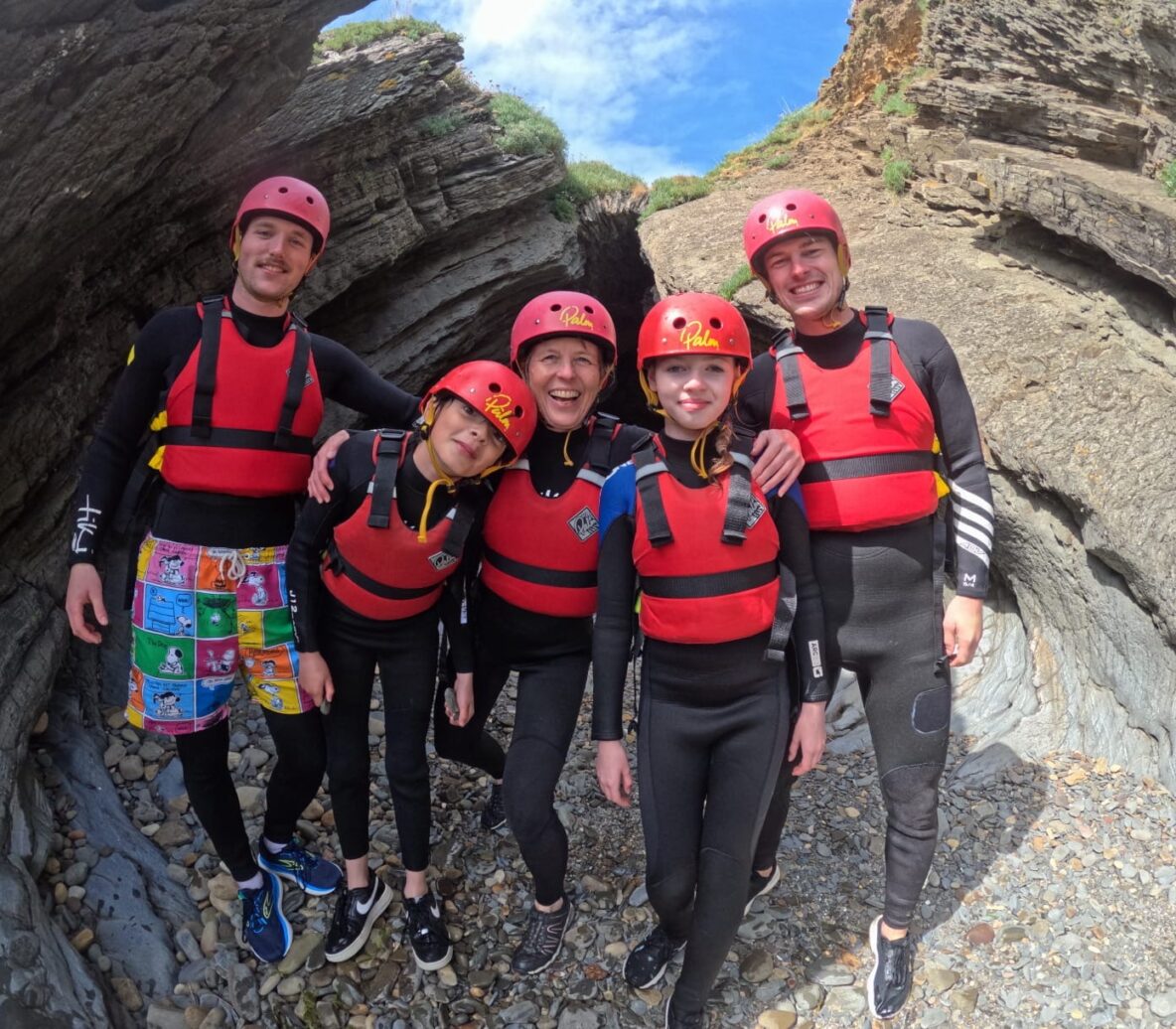
Professional coasteering providers supply specialised safety equipment designed to protect participants in the marine environment.
This usually includes:
- buoyancy aids
- helmets
- thick wetsuits
- suitable footwear
All of this equipment is provided as part of a guided session such as those offered through coasteering experiences in North Devon.
Experienced Instructors Make the Difference
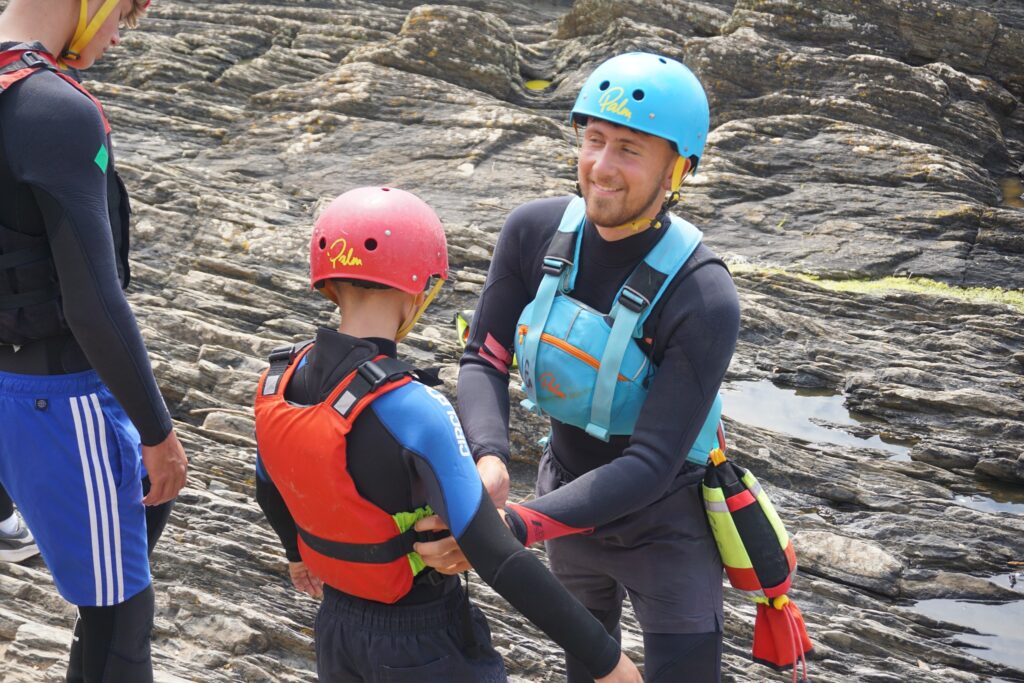
A major safety factor in coasteering is the experience of the guides leading the activity.
Qualified instructors will:
- assess sea conditions
- select appropriate routes
- manage group sizes
- provide clear safety briefings
They also ensure that participants only attempt jumps or challenges that suit their confidence and ability.
Routes Can Be Adapted for Beginners
One of the reasons coasteering in Croyde Bay is suitable for beginners is the variety of terrain available.
Routes around Baggy Point include:
- gentle scrambles
- low jumps
- sheltered swimming sections
This flexibility allows instructors to tailor the experience to the group.

The Importance of Local Knowledge
Understanding tides, swell conditions and access points is essential for safe coasteering.
Local providers such as Coastline Sports have extensive knowledge of the North Devon coastline and plan routes based on the conditions on the day.
Conclusion
When led by experienced guides and supported by proper safety equipment, coasteering is an accessible adventure activity suitable for beginners.
For those looking to try it for the first time, Croyde Bay in North Devon provides one of the safest and most scenic environments to start.
FAQs
Do I need to be a strong swimmer?
Basic water confidence is recommended, but buoyancy aids provide additional support.
What age can children try coasteering?
Many sessions accept children from around 8 years old depending on conditions.